

Lead Product Designer
App Design
Background
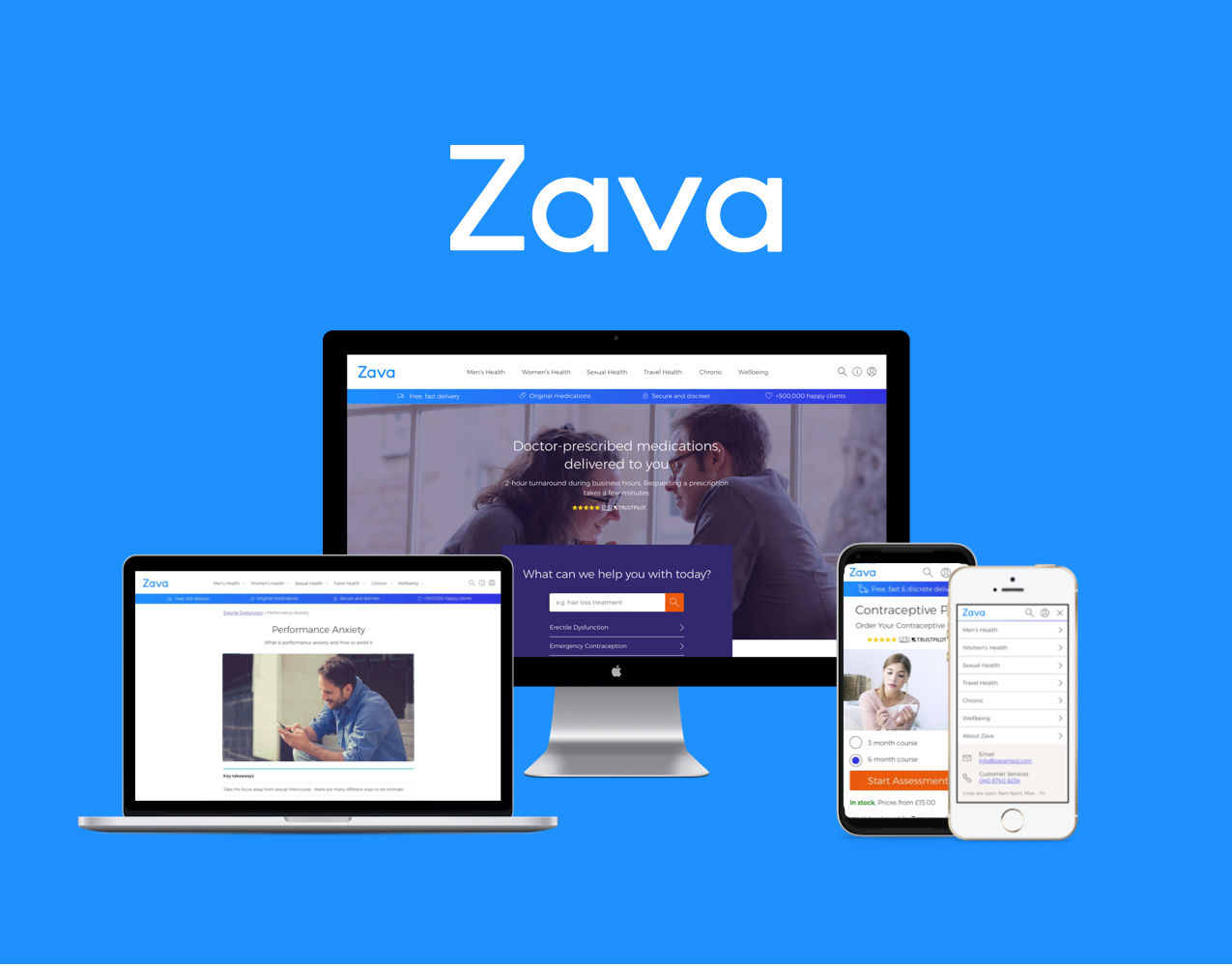
Zava was set up in 2011, known then as DrEd. They are an online healthcare service, providing patients with prescription medication, advice and care. They have a team of over 100 treating over 50,000 patients a month, operating an award-winning platform across 6 countries (UK, Germany, Austria, Switzerland, France and Ireland) and partner with large corporates like Superdrug (onlinedoctors.superdrug.com and healthclinics.superdrug.com).
Project outline
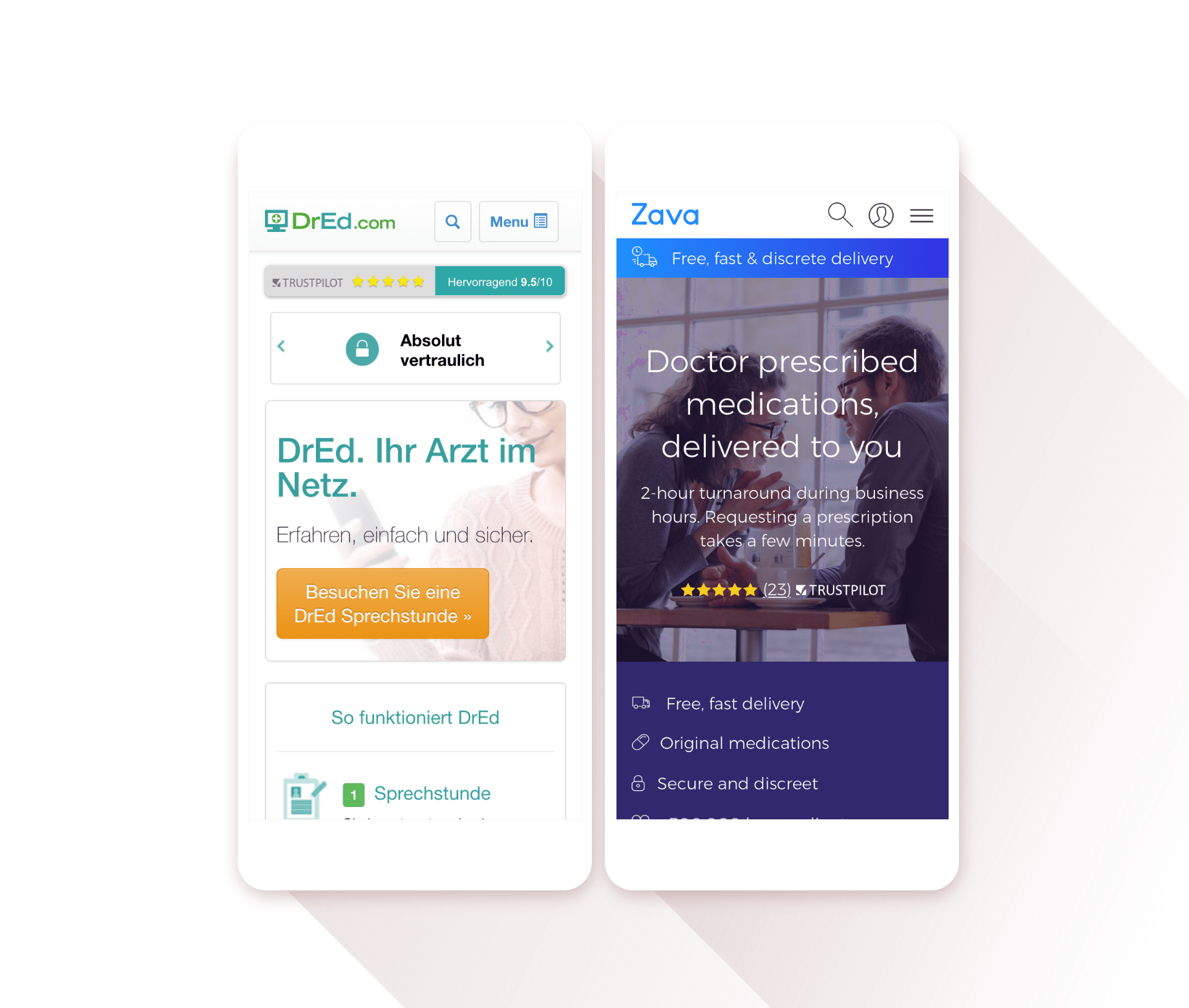
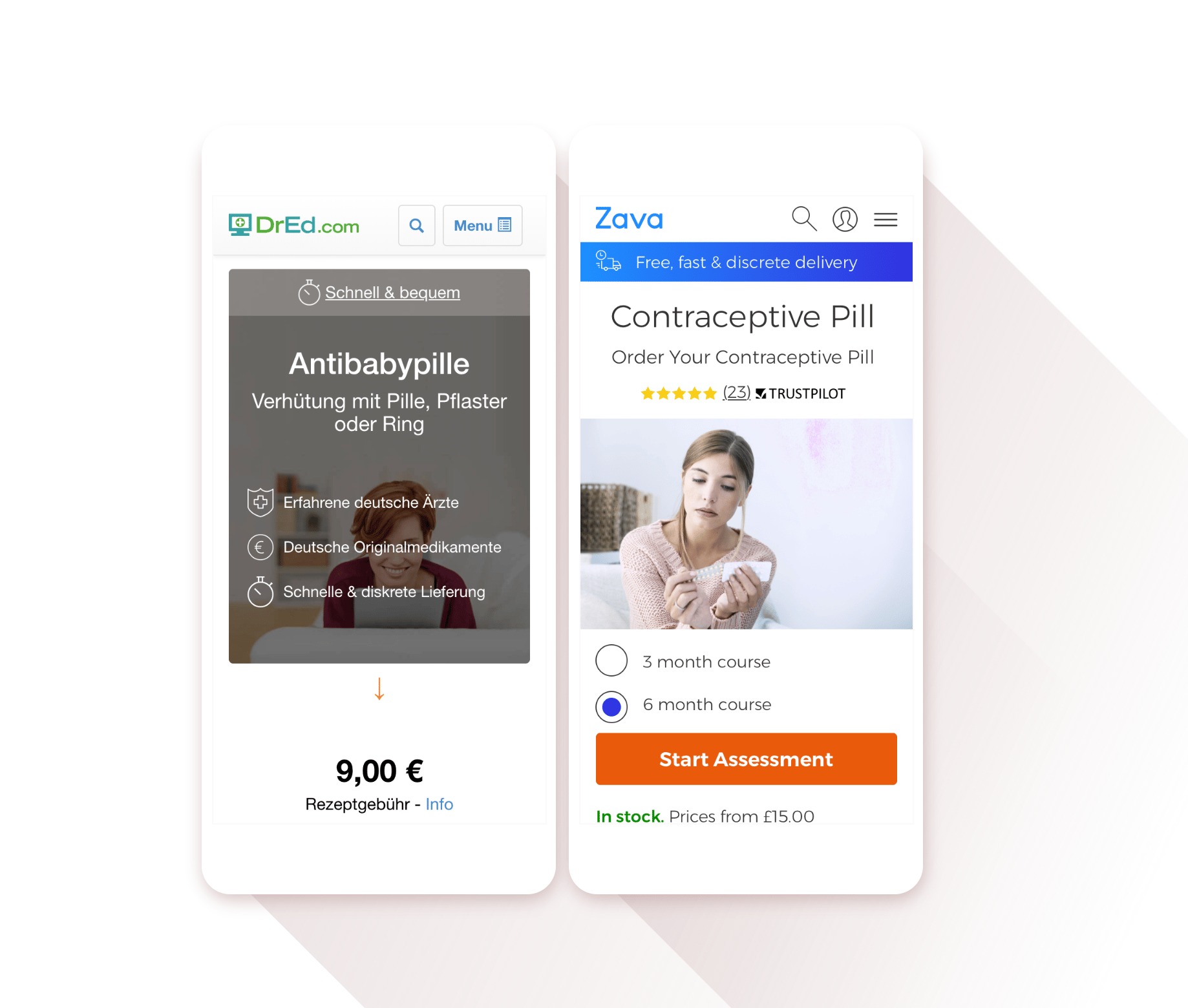
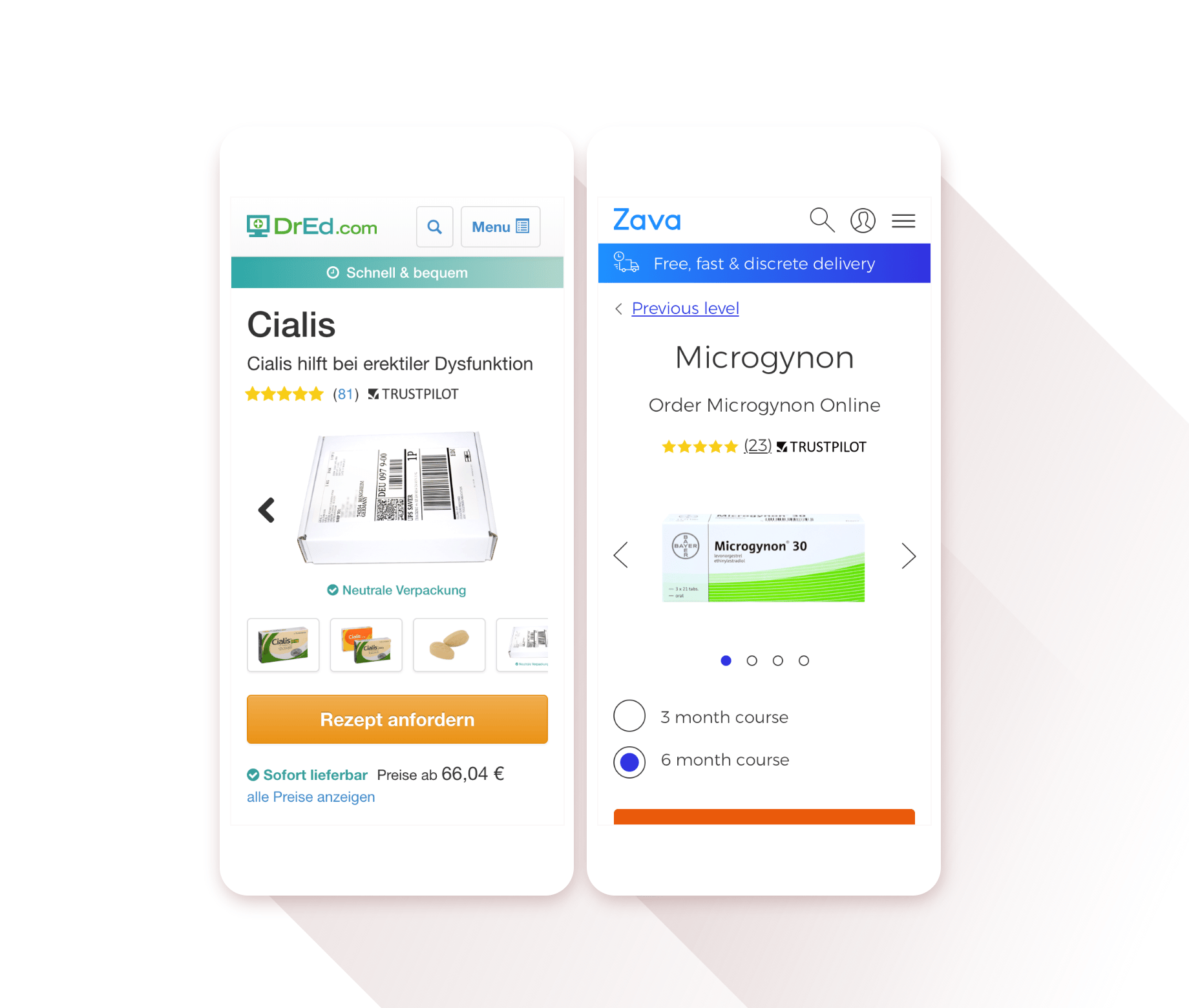
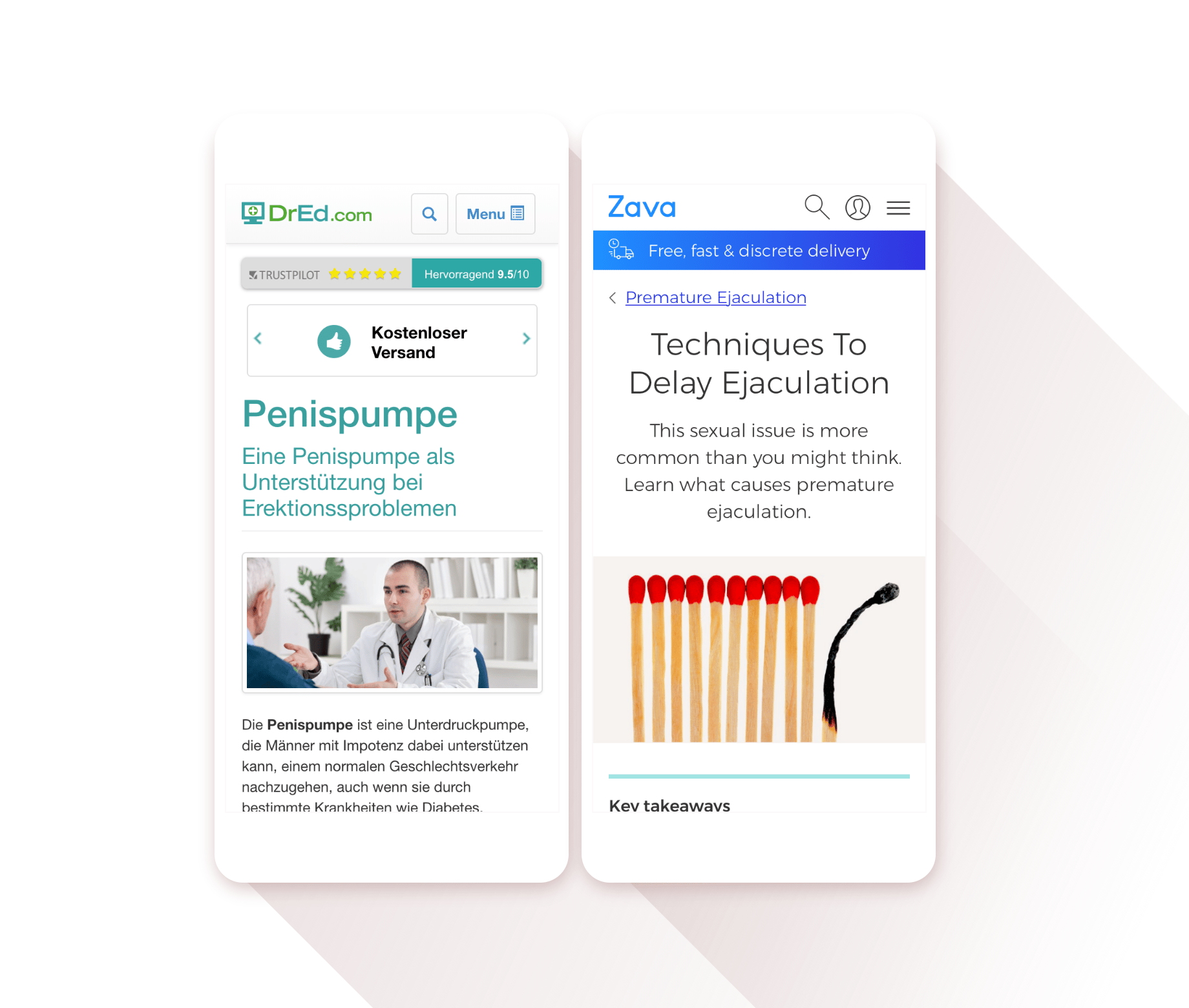
- Re-brand and re-design DrEd to the new company name and vision (Zava) whilst protecting revenue and ensuring our customers were aware and reassured.
- Improve the UX and treatments per day through the new business offering
Solutions
- New branding and visual language for Zava to evoke trust and safety.
- Email campaign, landing page, doctor messaging, medication leaflet and website messaging to reassure existing customers.
- New and improved UI and UX for the whole product, optimised for mobile.
Outcomes
Through the new redesign and design language and implementation of new tools and workflows, the following major business KPI was achieved:
26%+
increased treatments per day
Also, designer productivity and consistency were improved, while also safeguarding revenue through clear, consistent, and reassuring messaging, as evidenced by positive satisfaction survey results.
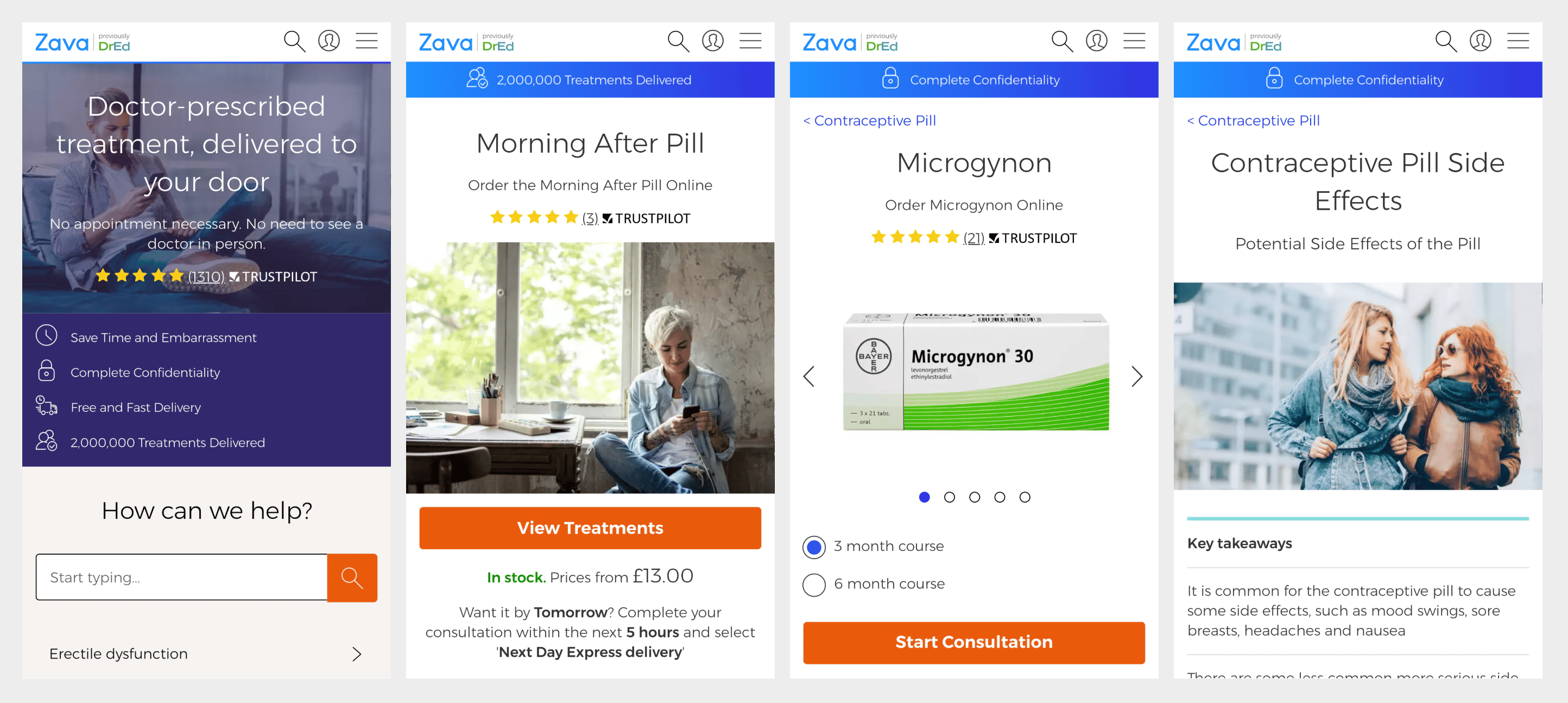
View website
The whole process of ordering, navigating the website etc from beginning to end is a smooth and easy.

Glynis
Trustpilot review
Design Process
Discovery
I collaborated with the research team to plan and gather quantitative data and qualitative insights, ensuring our solutions were rooted in real user behaviour.
- Data & Analytics: Leveraged Google Analytics and Hotjar heat-maps to identify high-value features and engagement. A key finding was that 74% of traffic was mobile, which dictated our "mobile-first" technical constraints.
- Internal Knowledge Audit: Audited the existing research wiki to build on previous insights and avoid duplicating effort.
- User Interviews: Facilitated face-to-face interviews to uncover the "why" behind the data, allowing us to map mental models and empathise with core pain points.
- Usability Testing: Conducted remote moderated and unmoderated testing—including 5-second and task-based tests—to benchmark against competitors and surface friction points.
Design
With a solid foundation of data, I moved into an iterative design phase focused on cross-functional alignment and scalability.
- Ideation Workshops: Facilitated sessions with stakeholders—including doctors, pharmacists, and engineers—to translate research into actionable ideas through rapid sketching and collaborative exercises.
- Wireframing: Analysed workshop outputs to develop low-fidelity wireframes, prioritising information architecture for key product and content pages.
- Design Foundations: Established a library of functional and perceptual patterns. This design language ensured visual consistency and allowed for rapid, efficient scaling during the high-fidelity phase.
- High-Fidelity UI: Translated aligned wireframes into polished visual designs and reusable UI components once the product strategy was finalised.
- Iterative Testing: Conducted continuous UI and layout testing to validate design decisions, refining the interface based on real user resonance and empathy.
- Accessibility Standards: Led the initiative to implement a Level AA (WCAG 2.0) conformance policy. I collaborated closely with engineering and stakeholders to ensure our healthcare tools remained inclusive, compliant, and accessible to all users.
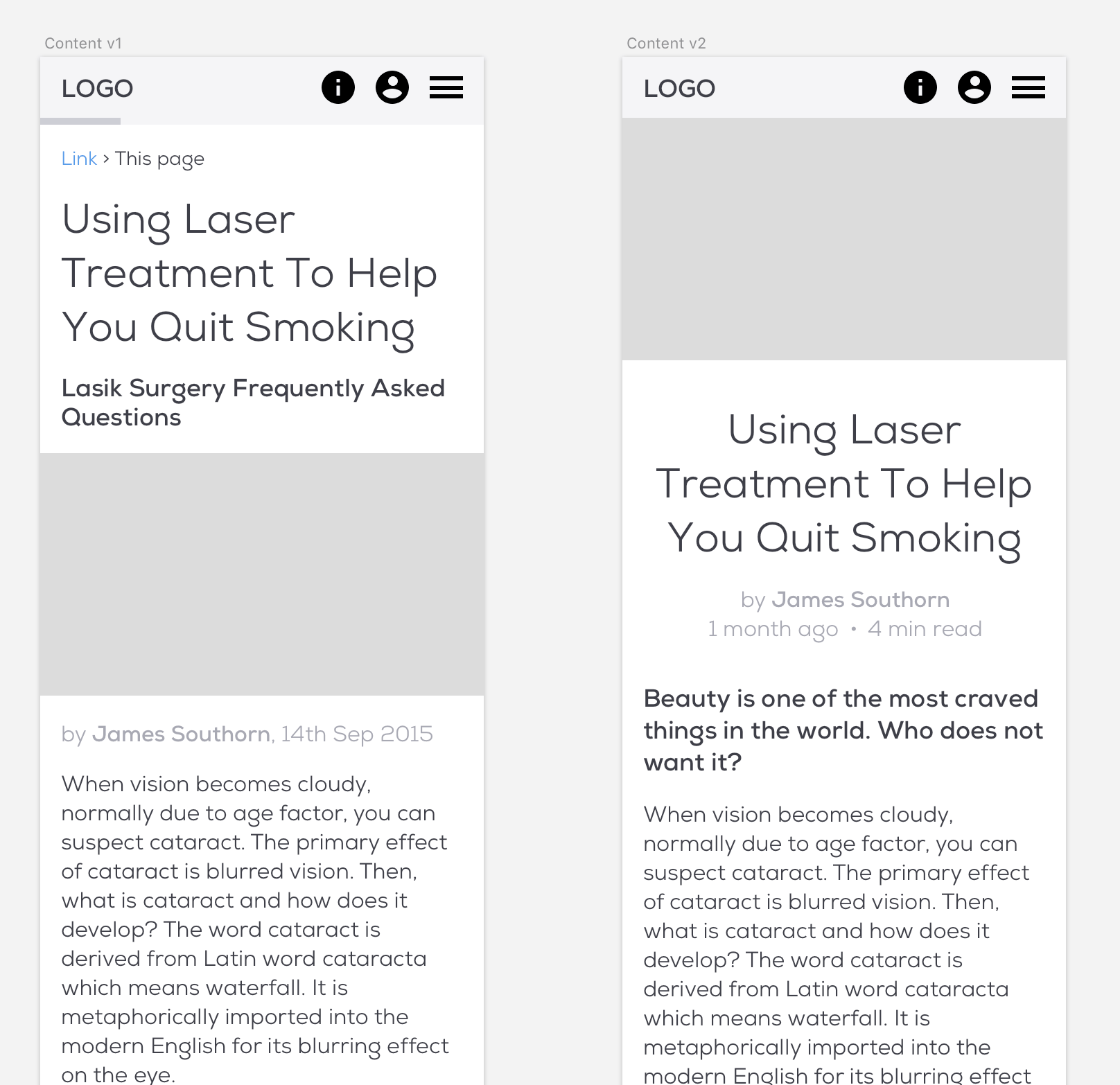
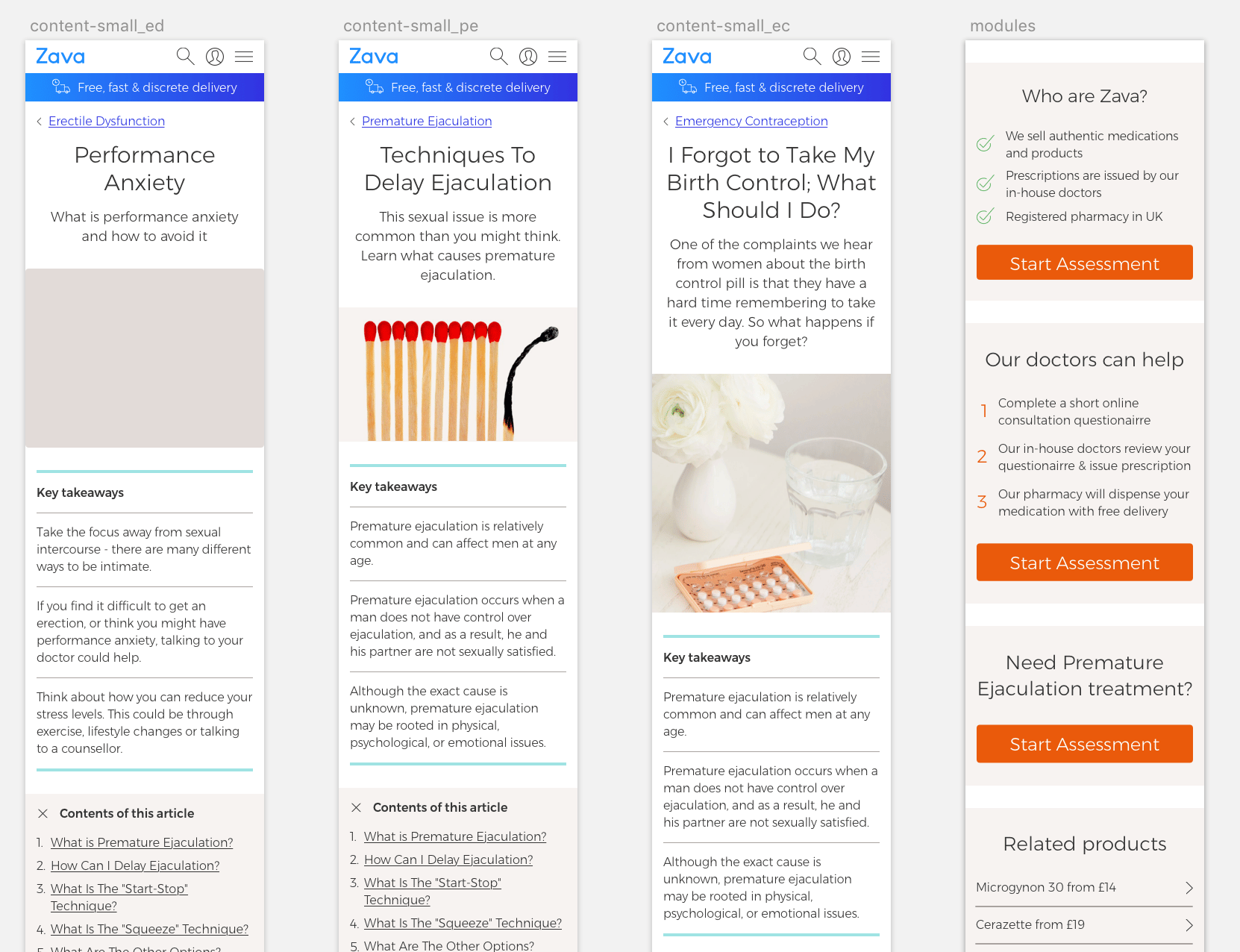
Screen designs - before & after